Trezor.io/start: A Complete 1200-Word Guide
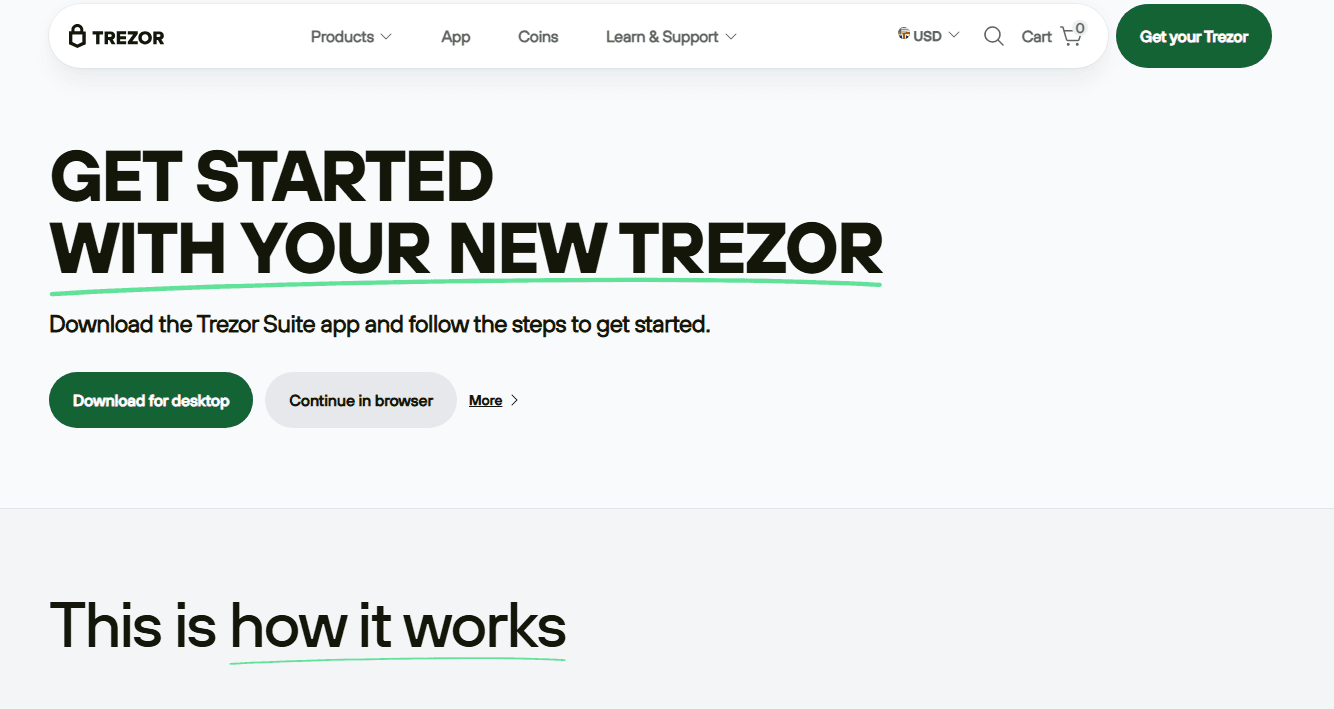
Trezor.io/start is the official setup pathway for people beginning with a Trezor hardware wallet. It’s meant to guide new users through the process of preparing their device, creating a secure recovery method, installing the right software, and understanding how to manage digital assets safely. Although hardware wallets are generally used by adults, learning how the technology works can be helpful for anyone interested in understanding digital security. This guide explains the purpose of the Trezor startup process, how it works, and what users typically encounter when following it.
1. Understanding What Trezor Is
Trezor is a hardware wallet designed to keep private keys offline. In digital asset systems, private keys act like extremely sensitive passwords, and losing them means losing access to funds. Trezor stores these keys inside a secure chip and requires physical interaction—pressing a button or confirming on the device—for all important actions.
Trezor.io/start is the entry point where users learn how to prepare the device, update its firmware, and connect it to the companion software called Trezor Suite. This starting page is essential because it ensures that users go through the setup process properly, which helps protect their device from tampering and security issues.
2. Why the Setup Process Matters
The setup process plays a major role in security. Without following proper instructions, people could expose their recovery seed or accidentally use unsafe software. Trezor.io/start provides step-by-step guidance so users:
Connect their device safely
Install authentic firmware
Create a secure recovery seed
Understand how to manage accounts correctly
Learn how physical confirmation works
This helps prevent mistakes and provides clarity for first-time users who may not yet understand hardware-wallet procedures.
3. Steps Typically Found on Trezor.io/start
Although the interface may update over time, the general flow usually includes the following parts:
a. Connecting the Device
Users begin by plugging the Trezor hardware wallet into a computer using the provided cable. The device powers on, showing a basic welcome message.
b. Accessing Trezor Suite
Trezor Suite is the main application used to manage digital assets with Trezor. It works as a dashboard, similar to how Ledger Live works with Ledger devices. Through Trezor Suite, people can view account balances, send and receive assets, and adjust device settings.
Trezor.io/start helps users download and install Trezor Suite safely.
c. Installing or Updating Firmware
Some devices arrive without firmware installed, for security reasons. Others may come with older firmware that needs updating. Firmware is the core operating system inside the Trezor wallet. It ensures the device works with various networks, has the latest security improvements, and remains compatible with Trezor Suite.
Trezor.io/start shows how to install or update firmware step by step.
d. Creating a Recovery Seed
This is arguably the most important part. The recovery seed is a list of words generated by the device. It is the only way to restore access to a Trezor wallet if the device is lost, damaged, or reset. Trezor.io/start emphasizes writing the seed on paper and storing it safely offline.
The device shows the seed on its screen, and users must copy it manually. Trezor Suite typically asks users to confirm the words to ensure accuracy.
e. Securing the Device PIN
After the seed is created, users choose a PIN. The PIN prevents unauthorized people from accessing the hardware wallet. Anytime the device is plugged in, the PIN must be entered through Trezor Suite.
f. Adding Accounts
Once the device is ready, users can add accounts for supported digital assets. Each account corresponds to a network or blockchain, such as Bitcoin or Ethereum. Trezor Suite organizes these accounts clearly, showing balances and transaction history.
4. Exploring Trezor Suite
Trezor Suite is the main control center for the device. It contains various sections that help users manage digital assets securely and comfortably.
Portfolio Dashboard
The dashboard displays an overall view of all accounts and assets. It helps users understand the combined value of their portfolios without needing external apps or websites.
Accounts Section
Each network or asset gets its own dedicated account page. Users can:
View addresses
Check transaction history
Send or receive assets
Manage tokens
Customize settings
Accounts are arranged in a simple list for easy access.
Security Center
Trezor Suite includes a Security Center that highlights device status, guides users through improving security, and informs them about important safety practices. It may also remind users to update firmware, check their recovery seed, and follow safer behavior online.
Device Settings
This section covers:
Changing the PIN
Managing Passphrase settings
Adjusting display brightness
Renaming the device
Checking firmware version
The goal is to give users full control over how their Trezor device operates.
5. Understanding the Recovery Seed
Trezor places strong emphasis on the recovery seed because it is the ultimate backup. The seed is offline, handwritten, and never shown on a computer screen. This prevents malware or screen-capturing software from stealing it.
Trezor.io/start teaches important principles:
Never take photos of the seed
Never type it into a website
Never store it online
Keep it in a private, offline place
Consider storing copies in secure physical locations
Without the seed, no one—including Trezor—can restore access to the device.
6. Transaction Confirmation and Physical Interaction
A major security feature of Trezor is physical confirmation. Any time a user wants to send a transaction, Trezor Suite prepares it, but the final approval must be done on the hardware wallet itself.
The device screen shows:
Destination address
Amount
Fees
Network
Confirmation steps
The user must verify the information matches what they intended before pressing the button. This prevents many types of online scams and malware from silently sending unauthorized transactions.
7. Supported Assets and Networks
Trezor supports a wide variety of digital assets. Support varies based on the device model. The two main models are:
Trezor Model One
Trezor Model T
The Model T generally supports more networks because it has additional hardware capabilities and features a larger touchscreen.
Most major networks, such as Bitcoin and Ethereum, are supported, along with many tokens built on popular blockchains. Trezor Suite displays all supported accounts in an organized layout.
8. Privacy and Security Practices
Trezor.io/start includes important safety information that helps users protect themselves. Some of the common guidelines include:
Only download software from official sources
Always verify device packaging and seals
Never share the recovery seed
Keep firmware updated
Use strong PINs
Avoid using public computers
These practices help maintain security not just for the hardware wallet, but also for the entire digital-asset environment.
9. Updates and Improvements
The world of digital assets evolves quickly, and Trezor updates its firmware and Trezor Suite regularly. Updates typically provide:
Better performance
New network support
Improved security
Enhanced interface features
Trezor.io/start guides users through the update process and ensures they understand how to check for new versions.
10. Why Trezor.io/start Is Helpful
People rely on the setup page because it:
Simplifies the onboarding process
Reduces mistakes
Ensures proper security practices
Provides clear instructions
Helps new users feel confident with hardware wallets
The page acts like a beginner-friendly tutorial, helping users step into the world of secure digital-asset management.
Conclusion
Trezor.io/start is the essential guide for setting up a Trezor hardware wallet safely and correctly. It walks users through connecting the device, installing firmware, creating a recovery seed, choosing a PIN, and exploring Trezor Suite. Beyond setup, it teaches important security principles, explains how to confirm transactions, and provides tools for managing accounts efficiently. By following the instructions on Trezor.io/start, users ensure they begin with a safe, well-structured foundation for handling digital assets responsibly.