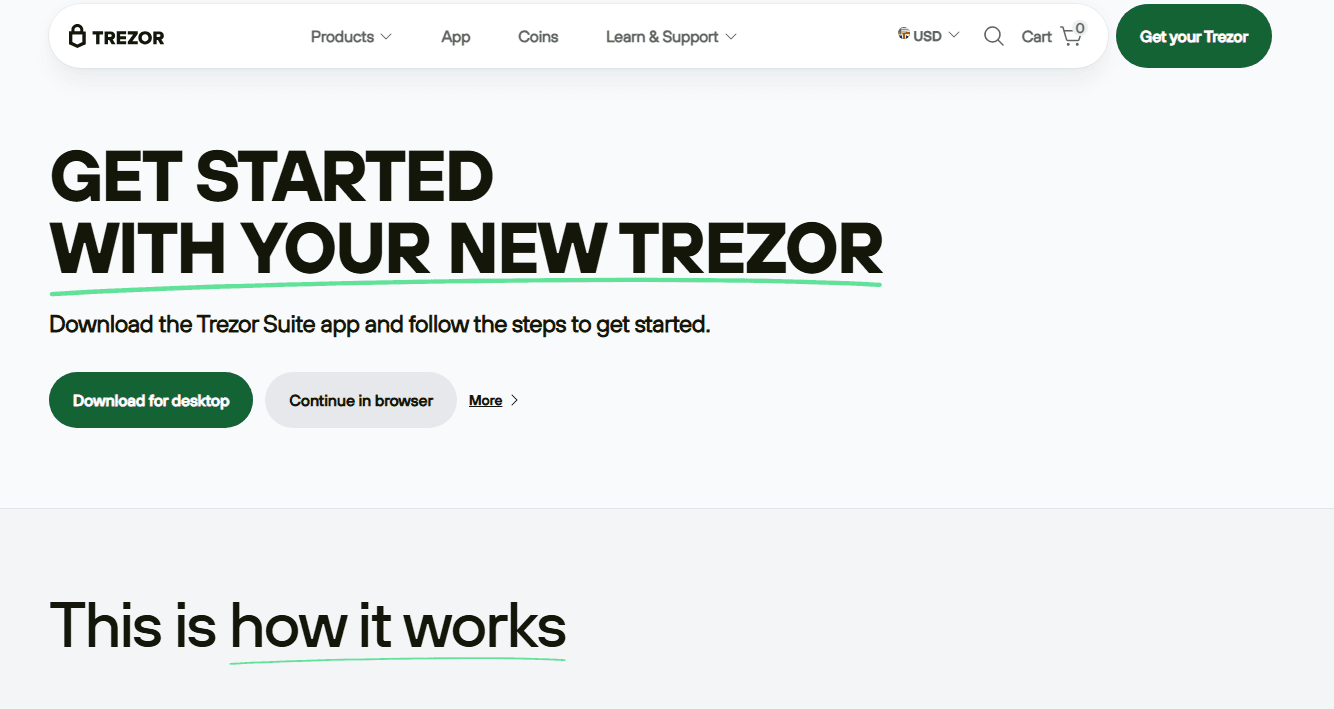
Trezor.io/Start – A Complete 1200-Word Guide
Trezor.io/start is the official setup page designed to guide users through the process of starting, securing, and managing a Trezor hardware wallet. Trezor wallets are physical devices that store private keys offline and offer a high level of protection for digital assets. While the device itself handles the sensitive security functions, the website provides the instructions, software tools, and steps needed to get the wallet ready for use. This guide walks through what Trezor.io/start offers, why it is important, and how it helps users begin their journey with the Trezor ecosystem.
Understanding the Purpose of Trezor.io/Start
The purpose of Trezor.io/start is to ensure that every user goes through a safe and correct setup process. Hardware wallets are meant to secure digital assets, but that security depends on proper initialization. The site helps new users avoid mistakes by guiding them step-by-step through:
Checking device authenticity
Installing the necessary software
Creating a recovery seed
Understanding security basics
Connecting the device to Trezor Suite
By centralizing all of this information in one official starting point, users can follow a trusted process rather than relying on scattered instructions or third-party sources.
Getting Familiar with Trezor Hardware Wallets
Before starting, the page introduces the Trezor device family. Trezor wallets are small, portable pieces of hardware that store private keys offline. Instead of trusting a mobile app or computer program, users keep their keys inside the device, isolated from online threats. Physical confirmation on the device is required for each important action, adding another layer of safety.
Trezor devices use a security concept known as “cold storage.” This means the private keys never leave the device or touch the internet. The setup guide at Trezor.io/start explains this philosophy so beginners understand why hardware wallets are safer than many alternatives.
Connecting the New Device
Once the user unboxes their Trezor wallet, Trezor.io/start walks them through the initial steps. The first task is connecting the device to a computer using the provided cable. The site automatically detects which Trezor model the user owns and displays instructions specifically for that device. This reduces confusion and provides a smooth onboarding experience.
During this stage, users learn how the device’s buttons work, how to navigate its menus, and what to expect during setup. The site simplifies the process so even beginners can follow along with confidence.
Installing Trezor Suite
Trezor Suite is the official desktop application that allows users to manage their device and digital assets. Trezor.io/start provides the download link and explains the importance of using official software. Trezor Suite is available for major operating systems and designed to work seamlessly with Trezor hardware wallets.
The page highlights why the Suite is necessary:
It provides a secure interface for managing assets
It is optimized for Trezor devices
It helps users send, receive, and track digital currencies
It includes built-in tools for firmware updates and device settings
Once the user installs Trezor Suite, the setup process becomes more guided, with on-screen prompts and clear instructions.
Firmware Installation and Updates
A key part of the setup is installing the latest firmware. Firmware is the internal software that operates the Trezor device. If the device is brand new, it usually comes without firmware installed, ensuring no one has tampered with it. Trezor.io/start explains why this is important: the user should be the first person to install the device’s operating system.
Trezor Suite checks the firmware automatically and offers to install or update it. The setup guide explains how updates improve:
Security protections
Feature compatibility
Network support
Device stability
Installing firmware is an essential step toward securing the wallet and ensuring long-term usability.
Generating the Recovery Seed
One of the most critical parts of setting up a Trezor wallet is creating the recovery seed. Trezor.io/start emphasizes this step clearly because the recovery seed is the only way to restore access to the wallet if the device is lost or damaged.
The site explains key safety concepts in simple language:
The recovery seed must be written down on paper and stored safely
It should never be typed into a computer or phone
No one should see or photograph it
Trezor staff or any service will never ask for the seed
Users generate the seed directly on their Trezor device. This process ensures the seed never touches the computer or internet. The site walks users through confirming each word, so they create an accurate backup.
Understanding the recovery seed is essential for safety, and Trezor.io/start dedicates part of its guide to making sure users are aware of how important this step is.
Creating a PIN
The next step in the setup process is choosing a PIN. The PIN is used to unlock the device and prevent unauthorized access. Trezor.io/start provides advice on choosing a strong PIN and explains how it protects the wallet even if someone physically obtains the hardware device.
The site explains how entering the PIN works through a secure mechanism that changes the position of the numbers each time. This prevents patterns from being observed or recorded.
The PIN is not a replacement for the recovery seed, but it acts as a daily-use security layer.
Exploring Trezor Suite
After setup, Trezor.io/start leads users into the Trezor Suite environment. This is where the device becomes fully functional. Inside the Suite, users can:
Add accounts for supported cryptocurrencies
Send and receive digital assets
View portfolio performance
Organize transactions
Manage device preferences
The setup page highlights the importance of staying within official tools to maintain device security.
Verifying Receiving Addresses
One of the important practices taught on the setup site is verifying receiving addresses. Whenever users want to receive an asset, they generate an address in Trezor Suite. Trezor.io/start explains why the user must always confirm the address on the physical device as well.
This step ensures that the displayed address has not been changed by malware. Since the address appears on the secure hardware screen, users can trust it. The site uses this example to reinforce security habits early.
Understanding the Trezor Ecosystem
Trezor.io/start also introduces users to the larger Trezor ecosystem. This includes:
Asset support
Open-source development
Security audits
Continuous updates
Customer education materials
The page emphasizes that Trezor products are built to be transparent, allowing the community to inspect and verify their security structures.
Best Practices for Long-Term Safety
To help users maintain security, the guide offers practical long-term advice:
Keep the recovery seed safe and offline
Use a strong PIN
Never share sensitive information
Regularly update Trezor Suite
Use the device to verify all important actions
This section ensures that even beginners understand how to protect themselves as they continue using their device.
Conclusion
Trezor.io/start is more than a setup page—it is the foundation of establishing a secure environment for managing digital assets. By guiding users through every stage of preparing a Trezor device, the site ensures that they understand safety principles, feel confident navigating their wallet, and know how to use their device responsibly. From firmware installation to recovery-seed creation, Trezor.io/start lays out a smooth and clear process that empowers users to manage their digital assets with confidence and long-term safety.