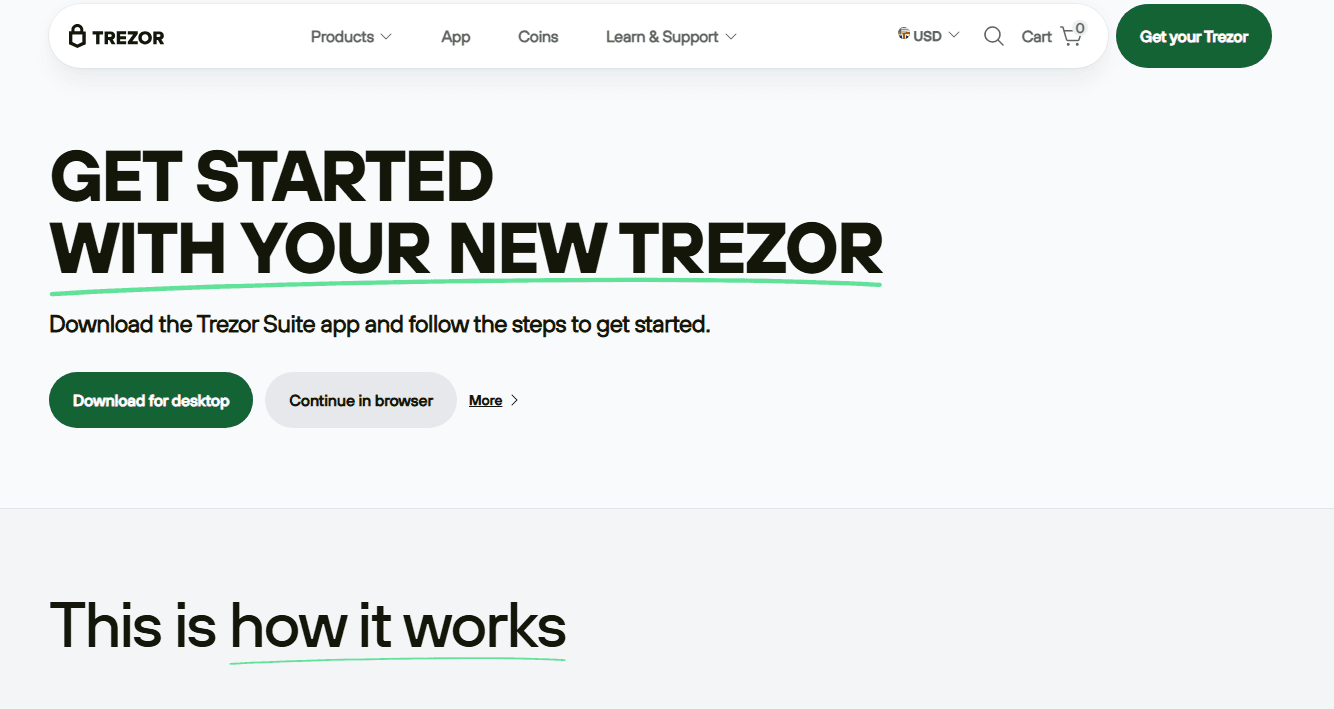
Trezor.io/Start – A Fresh 1200-Word Guide
Trezor.io/start is the official setup pathway designed to help new users get their Trezor hardware wallet ready for managing digital assets. Trezor devices are well-known for their focus on security, transparency, and ease of use. The start page acts as a step-by-step introduction that explains how to connect the device, install the required software, learn about recovery phrases, and understand the basic principles of how Trezor products function. This guide offers a complete overview of what someone can expect when beginning their journey with Trezor.
What Trezor.io/Start Is Made For
The main purpose of Trezor.io/start is to guide users through the initial setup process so that the device is safe and ready to manage digital assets. Instead of guessing what to do or relying on unclear tutorials, the start page gives clear, organized instructions. It explains what software is needed, how to prepare the device, what a recovery seed is, and how to confirm everything properly.
Because hardware wallets protect private keys offline, the setup process focuses heavily on security. Trezor.io/start makes sure the user understands why certain steps matter, such as writing down the recovery seed correctly and never storing it online. These principles help maintain long-term safety for the device.
Introducing Trezor Hardware Wallets
Trezor creates hardware wallets that store private keys in a secure environment. Unlike software wallets or web-based platforms that involve online interaction, Trezor devices act as physical security layers. When a user connects the device to a computer, the device handles sensitive operations internally, preventing exposure to online threats.
The most common Trezor devices include:
Trezor Model One
Trezor Model T
Both offer strong protection, though the Model T includes additional features such as a touchscreen. Regardless of the model, the purpose remains the same—to keep private keys offline, while allowing the user to manage digital assets safely.
The Setup Process Explained
The main focus of Trezor.io/start is teaching users how to set up their device correctly. The setup process generally includes:
1. Connecting the Device
The user begins by plugging the Trezor device into a computer using the provided cable. The start guide helps identify whether the device needs an initial firmware update or whether it’s ready to proceed immediately. Connecting the device for the first time ensures that it is recognized and ready to communicate securely.
2. Installing the Trezor Software
Trezor.io/start introduces the official software used to manage the device. This software is essential because it provides the interface for viewing balances, sending transactions, checking accounts, updating firmware, and confirming important steps. The software communicates with the hardware wallet, but it never handles private keys—those remain stored safely inside the device.
3. Creating a New Wallet
One of the most important steps involves generating a new wallet. During this process, the Trezor device displays a recovery seed—typically a series of words generated directly on the device. These words represent the key to the wallet. Because this information is extremely sensitive, it must be written down carefully and stored somewhere safe.
4. Understanding the Recovery Seed
Trezor.io/start provides clear explanations about what the recovery seed is and why it must remain secret. Anyone who gains access to the recovery seed can potentially access the wallet’s digital assets. This is why it is never typed into websites, stored on phones, uploaded to cloud locations, or shared with anyone. The guidance emphasizes offline storage and careful handling.
Security Principles Taught on Trezor.io/Start
The setup process includes important information about how to keep a hardware wallet safe. These principles help new users understand how to maintain long-term protection.
Private Keys Stay Offline
A core message is that private keys never leave the Trezor device. Even when connected to a computer, the device ensures that sensitive information remains isolated. This helps protect against malware, phishing attempts, or unauthorized access.
Physical Confirmation Is Required
Whenever the user tries to approve an action—such as sending digital assets or changing settings—the device requires physical confirmation. This prevents remote attacks, because transactions cannot be completed without pressing buttons on the device itself.
Beware of Fake Websites
Trezor.io/start also teaches users to be careful of imitation websites, fake software downloads, or phishing attempts. Only the official Trezor interfaces should be trusted. This reminder helps users avoid the most common online threats.
Device Firmware and Updates
A major part of the setup process includes updating the firmware if needed. Firmware updates improve compatibility, fix issues, enhance security features, and add support for more networks. Trezor.io/start helps guide users through the firmware update process so that the device is functioning with the latest protections.
The firmware installation process is designed to be straightforward. The device usually shows warnings, progress information, and confirmation steps to ensure the user understands what is happening. After installation, the device restarts and becomes ready for use.
Using the Trezor Interface After Setup
Once the initial setup is complete, the Trezor software interface becomes the main place where users manage their digital assets. The interface helps with:
Viewing balances
Adding new accounts
Checking transaction history
Receiving digital assets
Sending digital assets
Accessing network-specific features
All sensitive approvals must be confirmed on the hardware wallet itself. The software simply displays information and organizes accounts.
Account Management with Trezor
Trezor.io/start explains how to add and organize accounts within the Trezor software. Each blockchain typically has its own account. For example, Bitcoin, Ethereum, and various supported networks appear separately. This helps users manage their digital assets clearly.
Each account displays important details:
Incoming and outgoing transaction data
Balances
Specific network information
Address details
The user can create multiple accounts if needed, depending on how they want to organize things.
Receiving Digital Assets
To receive digital assets, the Trezor software shows an address that must be verified on the hardware device. This step ensures that the address shown on the computer has not been altered by malicious software. Trezor.io/start teaches users to always double-check the address on the device screen.
Sending Digital Assets
Sending assets involves:
Entering the recipient’s address
Choosing the amount
Reviewing network fees
Confirming the action on the device
Trezor.io/start explains why confirming on the physical device is essential. It prevents unauthorized transfers and ensures that users know exactly what they are approving.
Ongoing Safety Tips
Trezor.io/start provides continuous reminders and explanations about safe usage practices, including:
Keeping the recovery seed offline and protected
Avoiding unfamiliar websites or suspicious messages
Keeping the device firmware updated
Never sharing the recovery seed under any circumstances
These reminders help users understand the nature of digital-asset security and why careful handling is important.
Why People Use Trezor
Many users prefer Trezor devices because they provide:
Offline private-key storage
Open-source transparency
Clear software design
Easy-to-follow setup instructions
Strong security principles
Physical confirmation for all important actions
The combination of accessibility and protection makes Trezor a popular tool for those who want a secure environment for their digital-asset management.
Conclusion
Trezor.io/start is the starting point for anyone new to using a Trezor hardware wallet. It provides clear instructions, teaches essential safety practices, and explains how to set up the device correctly. By guiding users through the steps of installation, firmware updates, recovery-seed handling, and account management, the start page ensures that the device operates securely from the very beginning.
Trezor hardware wallets are built around the idea of keeping private keys offline, and Trezor.io/start helps users understand how to use this system responsibly. With strong security features, physical confirmations, and a simple interface, Trezor offers an environment where users can manage digital assets safely and confidently.